


Millions of Americans enrolled in Medicare could sharply reduce their health care expenses through a little-known Medicare Benefit, according to federal data and independent policy analyses. Yet despite rising premiums, prescription drug costs, and inflation pressures, most eligible beneficiaries never receive the assistance—largely because they are unaware it exists or face barriers to enrollment.
Table of Contents
What Is the Medicare Benefit?
The Medicare Benefit refers to a group of federally funded programs, known collectively as Medicare Savings Programs (MSPs), that help low-income Medicare beneficiaries pay for essential health care costs.
Administered by state Medicaid agencies and overseen by the Centers for Medicare & Medicaid Services (CMS), these programs can cover Medicare Part B premiums, which now exceed $2,000 per year for most beneficiaries. Some plans also pay deductibles, copayments, and coinsurance.
The policy goal is straightforward: ensure that older adults and people with disabilities are not priced out of basic medical care simply because of limited income.
Why This Medicare Benefit Matters More Than Ever
Medicare costs have steadily increased over the past decade, even as many retirees rely on fixed incomes.
In 2025, the standard Medicare Part B premium rose again, while prescription drug spending continued to outpace inflation, according to CMS. At the same time, nearly half of Medicare beneficiaries live on annual incomes below $35,000, federal data show.
“For people on the margin, a $170 or $180 monthly premium can mean choosing between medication and groceries,” said Tricia Neuman, senior vice president at KFF, a nonpartisan health policy organization.
The Medicare Benefit was designed to prevent exactly that tradeoff.
Who Qualifies for the Medicare Benefit
Eligibility for the Medicare Benefit is based primarily on income, with limits set at or slightly above the federal poverty level. Asset rules vary by state.
The Four Medicare Savings Programs
- Qualified Medicare Beneficiary (QMB): Pays Medicare Part A and Part B premiums, deductibles, and cost-sharing.
- Specified Low-Income Medicare Beneficiary (SLMB): Pays Part B premiums only.
- Qualifying Individual (QI): Also pays Part B premiums but is subject to annual funding caps.
- Qualified Disabled and Working Individual (QDWI): Helps certain disabled individuals who returned to work pay Part A premiums.
According to CMS, individuals enrolled in most Medicare Savings Programs automatically qualify for the Low-Income Subsidy, often called Extra Help, which significantly reduces prescription drug costs.
Billions of Dollars Go Unclaimed Each Year
Despite its scope, the Medicare Benefit remains dramatically underused.
A 2023 Urban Institute analysis estimated that more than 50% of eligible Medicare beneficiaries are not enrolled in any Medicare Savings Program. As a result, billions of dollars in federal assistance go unused annually.
The Congressional Budget Office has noted that under-enrollment weakens the effectiveness of Medicare’s safety net and increases financial strain on hospitals, which often absorb unpaid costs.
“This is not a small or obscure benefit,” said Neuman. “It is one of the largest missed opportunities in federal health policy.”
Why Enrollment Rates Remain So Low
Experts point to several systemic barriers.
Lack of Awareness
Many beneficiaries have never heard of the Medicare Benefit. Outreach efforts are often fragmented, and official Medicare materials historically emphasized coverage options over financial assistance programs.
Administrative Complexity
Applying typically requires navigating state Medicaid systems, completing lengthy forms, and submitting financial documentation. For older adults with limited internet access or mobility issues, this can be a significant obstacle.
Misconceptions and Fear
Some beneficiaries mistakenly believe that enrolling will limit their choice of doctors or automatically place them on Medicaid.
“That fear is widespread but unfounded,” said Kathleen Holt, a health policy analyst at the National Council on Aging. “The Medicare Benefit only helps pay costs. It does not change Medicare coverage.”
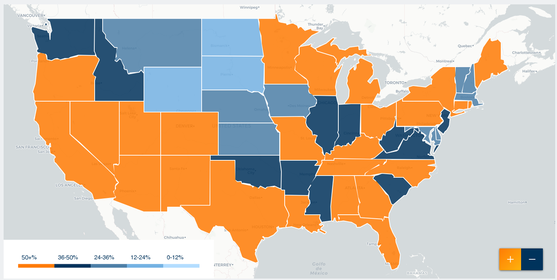
How State Differences Add to Confusion
Although funded federally, Medicare Savings Programs are administered by states, leading to inconsistent rules and experiences.
Some states have eliminated asset tests entirely, allowing applicants to qualify based solely on income. Others still count savings, retirement accounts, or vehicles, which advocates say discourages eligible seniors from applying.
Re-certification requirements also vary. In some states, beneficiaries must reapply annually, increasing the risk of losing benefits due to paperwork lapses rather than income changes.
A Brief History of the Medicare Benefit
The Medicare Benefit dates back to the late 1980s and early 1990s, when Congress expanded assistance programs to address gaps in Medicare affordability.
Lawmakers recognized that while Medicare provided broad coverage, premiums and cost-sharing posed serious barriers for low-income seniors. Medicare Savings Programs were introduced as a targeted solution, layered on top of the existing system.
Over time, however, enrollment never matched expectations, even as eligibility expanded.
Real-World Impact: A Case Example
Policy researchers often cite the example of a retired factory worker living on Social Security and a modest pension.
Without the Medicare Benefit, the individual pays monthly Part B premiums and struggles with prescription drug costs. With QMB enrollment, premiums and most cost-sharing disappear, saving more than $3,000 annually.
“These savings can be the difference between stability and crisis,” Holt said.
Recent Policy Efforts to Increase Enrollment
Federal and state officials acknowledge the problem and have taken steps to address it.
CMS has encouraged states to adopt automatic or streamlined enrollment for people already receiving Supplemental Security Income. Several states have shortened applications, expanded online portals, and increased funding for outreach.
The federally funded State Health Insurance Assistance Program (SHIP) provides free, unbiased counseling and has become a key access point for beneficiaries seeking help.
Common Myths About the Medicare Benefit
Myth: Enrolling changes your Medicare plan.
Fact: It only helps pay costs.
Myth: Assets automatically disqualify you.
Fact: Many states no longer count assets.
Myth: Applying will affect immigration status.
Fact: Medicare Savings Programs do not factor into public charge determinations.
How to Apply for the Medicare Benefit
Applications are accepted year-round through state Medicaid agencies.
Beneficiaries can apply directly, receive help from SHIP counselors, or seek assistance from nonprofit organizations focused on aging and disability rights.
Experts recommend applying even if eligibility seems uncertain, as thresholds vary and rules change.
What Comes Next
With Medicare enrollment expected to grow as the population ages, the stakes surrounding the Medicare Benefit are rising.
Policy analysts argue that improving outreach and simplifying enrollment could strengthen Medicare’s financial protections without requiring major legislative changes.
“The benefit already exists,” Neuman said. “The challenge is making sure it reaches the people it was designed to help.”
FAQ
Does the Medicare Benefit affect my doctors or coverage?
No. It only pays Medicare-related costs.
Can I apply at any time?
Yes. Applications are accepted year-round.
Is eligibility the same nationwide?
Income limits are federal, but asset rules vary by state.
Final Note
As health care costs continue to rise, awareness of the Medicare Benefit may determine whether millions of older Americans can afford care without sacrificing basic necessities.